
To most of us, a mushroom is a mushroom. It’s that brown thing you slice into your instant noodles or the shimeji you find floating in your miso soup. They’re fine. They add a bit of earthy flavour. But in Japanese cuisine, treating all mushrooms the same is like saying all fish is just fish. It’s a culinary crime.
The reverence for mushrooms in Japan and across Asia dates back to ancient times, reflecting their deep-rooted cultural and culinary significance throughout the region.
In Japan, mushrooms are revered. They are carriers of umami, seasonal messengers, and aromatic powerhouses. Each variety, from the delicate enoki to the robust shiitake has a specific role. But one mushroom stands above them all, a fungi so prized it makes otoro look like budget seafood.
Why Wild Mushrooms Matter in Japanese Cuisine

Let’s not kid ourselves when the Japanese say “wild mushrooms,” they aren’t talking about that sad white button mushroom in your Western salad. Wild mushrooms are prized for their unpredictable flavours, unique textures, and, most importantly, their seasonality.
In Japan, the abundance of wild mushrooms found in forests and mountains draws hunters each autumn, who seek them out in their natural habitats for both tradition and taste. Foragers know that these mushrooms thrive in specific habitats, often in symbiosis with certain tree species, making the search as rewarding as the find. (Tip: When foraging or cooking wild mushrooms, always double-check identification and cook thoroughly to bring out their best flavour.)
While Japan is renowned for its wild mushroom culture, regions like Europe and the Pacific Northwest are also famous for their abundant wild mushrooms, with forests and mountains providing ideal conditions for a rich variety of gourmet fungi. In these areas, the abundance and diversity of wild mushrooms are celebrated by both local hunters and chefs.
Restaurants with real cred will change up their menus when wild mushrooms are in season because no two hauls are exactly the same, and the taste of the forest? That can’t be faked. When it comes to wild mushrooms, matsutake stands apart from other mushrooms for its rarity and distinctive aroma.
Matsutake Mushrooms: Prestige and Price Beyond Imagination

Let’s be clear: if you see matsutake on a menu, you are not just eating a mushroom. You are eating one of the most treasured, ridiculously expensive ingredients in Japanese gastronomy. This isn’t an exaggeration. A good matsutake can cost more per gram than premium uni, fatty tuna, or just about any fancy shellfish you can name. The price per pound can reach astronomical levels, making matsutake one of the world’s most expensive mushrooms and a true luxury food.
Why the absurd price tag? Because you can’t farm it. Matsutake only grows in the wild, in a symbiotic relationship with specific species of trees, especially red pine, and only for a few short weeks in autumn. Species identification is crucial for foragers, as the right trees determine where matsutake can be found.
Matsutake are harvested in October, when both human foragers and deer seek them out in the forests. The harvest is a treasure hunt, and the mushrooms are highly prized when fresh ones are found. Its aroma is its signature; a complex, intoxicating blend of pine, spice, and damp earth, with distinctive cinnamon notes and a unique flavor profile that is impossible to replicate.
The flavor is layered, with subtle notes that linger on the palate. It’s the kind of scent that fills a room and stays in your memory. It’s no wonder the restaurant design in high-end Japanese establishments is often minimalist; it’s to ensure nothing distracts from aromas like this. Key identification features include a thick, firm stem and white gills that gradually turn brownish as the mushroom matures.
The Simple Steamed egg custard with Matsutake mushrooms
Japanese chefs treat it with near-religious respect. Matsutake is a cornerstone of traditional Japanese cuisine, featured in dishes like steamed egg custard (chawanmushi), where its meaty texture and soft yet firm bite are preserved by preparing it with minimal butter, oil, or dairy. Or, you’ll find it grilled simply with a pinch of salt, steamed in a delicate dobinmushi teapot broth, or shaved over rice to create matsutake gohan.
Chefs may prepare matsutake with soy, cream, or garlic, and often combine it with other ingredients, sometimes splitting aromatics in half or finishing the dish with a squeeze of citrus to enhance the flavor. The goal is always to preserve that iconic fragrance and elevate the dish. Matsutake can be cooked in various ways, but the focus is on highlighting its natural qualities. While fresh ones are most coveted, frozen or dried matsutake can be stored in the freezer for later use without losing too much of their prized aroma.
Other wild mushrooms, such as chanterelles, are also highly valued in gourmet cuisine. Like matsutake, they are harvested from the wild in regions such as Oregon, California, China, Korea, and other parts of Asia, each with their own unique habitats and species.
Everyday Heroes: Wild Mushrooms Beyond Matsutake

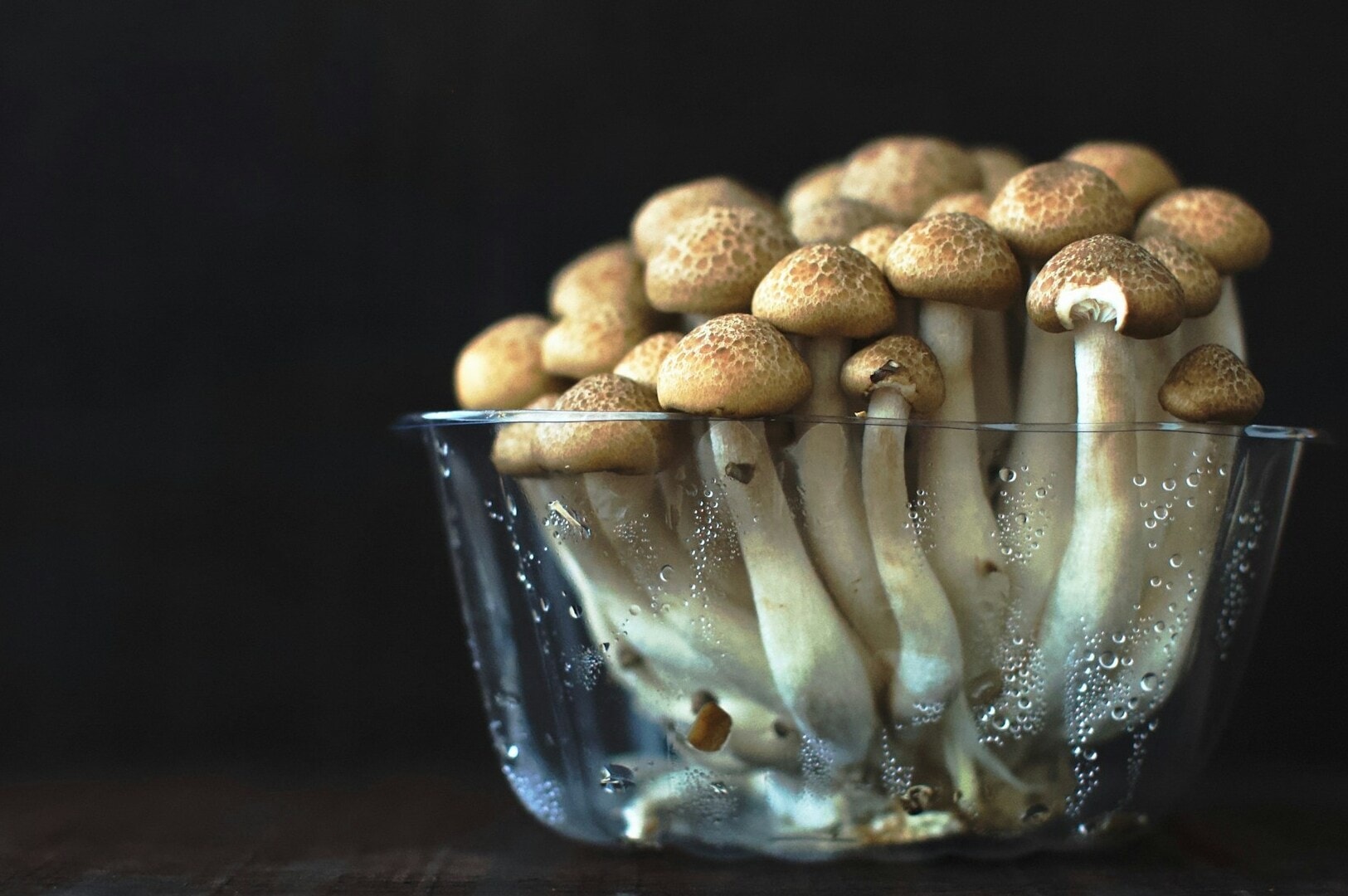
While matsutake steals the limelight, other wild mushrooms like maitake and nameko play an essential role in daily Japanese cooking. These are the umami powerhouses: earthy maitake in soup, slippery nameko in miso, crunchy shimeji in hotpot.
They’re not just edible fillers; they’re chosen for how their unique traits pair with different dishes and how chefs prepare them to enhance each dish’s character. And trust me, a good wild mushroom, even if it’s not matsutake, can make a meal memorable.
If you ever get a chance at an omakase, don’t brush aside these so-called “lesser” mushrooms, they’re showing off a different face of the forest and of the chef’s skill. Chefs prepare these mushrooms in a variety of ways. Sautéing, steaming, or roasting is to highlight their flavors and textures in each dish.
Frozen or Dried Matsutake: Does Convenience Kill the Magic?
Here’s the million-dollar question locals never dare ask: Can you get away with frozen or dried matsutake? Technically, yes. Practically, it’s controversial. Storing matsutake in the freezer is a common preservation method, especially when fresh ones are out of season. Dried matsutake is common for infusing broth. Its deep, concentrated flavor and aroma notes work wonders in soup, and it is often combined with other ingredients to create a rich, umami-packed stock.
Frozen or dried matsutake can be cooked in various ways, but the flavor of fresh ones is unmatched. Frozen matsutake is more of a compromise, saving what would otherwise spoil. But let’s not bluff. It’ll never compete with that freshly-foraged, nose-tingling aroma. Any serious restaurant will tell you: the real matsutake experience is seasonal, fleeting, and best enjoyed fresh, with an interior restaurant design that lets the fragrance hit you first. If someone tries to pass off limp, watery matsutake in the name of luxury, it’s your cue to raise an eyebrow (or two).
The Supporting Cast: Shimeji, Shiitake, and Friends
Of course, not every mushroom is a rockstar. The workhorses of Japanese cooking – shimeji, enoki, maitake, and shiitake, are the backbone of countless dishes. They provide umami, texture, and a comforting earthiness to soups, stir-fries, and stews. They are delicious and essential.
But they are not matsutake. They provide body and depth, but matsutake provides the soul. The thoughtful interior restaurant design of an omakase counter, with its focus on the chef’s hands, is the perfect stage for showcasing such a star ingredient.
So, the next time you’re at an omakase and a strange, firm mushroom appears on your plate, don’t dismiss it. Pay attention. Ask what it is. If the chef says “matsutake,” understand that you’re being served a piece of seasonal magic. You’re not just eating a mushroom; you’re tasting one of Japan’s most profound culinary treasures. And knowing that makes it taste a whole lot better.
Leave a Reply