
Some hotels arrive with fireworks. Conrad Singapore Orchard arrives with a backstory.
I knew this building in its previous life, when it wore the Regent name more naturally than the Conrad one. Rebrands are like new suits: the fabric can be expensive, the tailoring can be sharp, but you can still sense the shape of what came before. What I wanted to know was simple: does this hotel perform like a five-star stopover when you’re tired, time-starved, and treating the room as a working base rather than a romantic destination?
One-line verdict: A polished five-star stay with consistently praised service and a dramatic lobby, slightly let down by a real, recurring noise issue (especially tied to the atrium/lift core) and a few “older building” quirks that don’t always disappear under the new suit.
The Lobby Is The Show. The Transit Test Starts After.

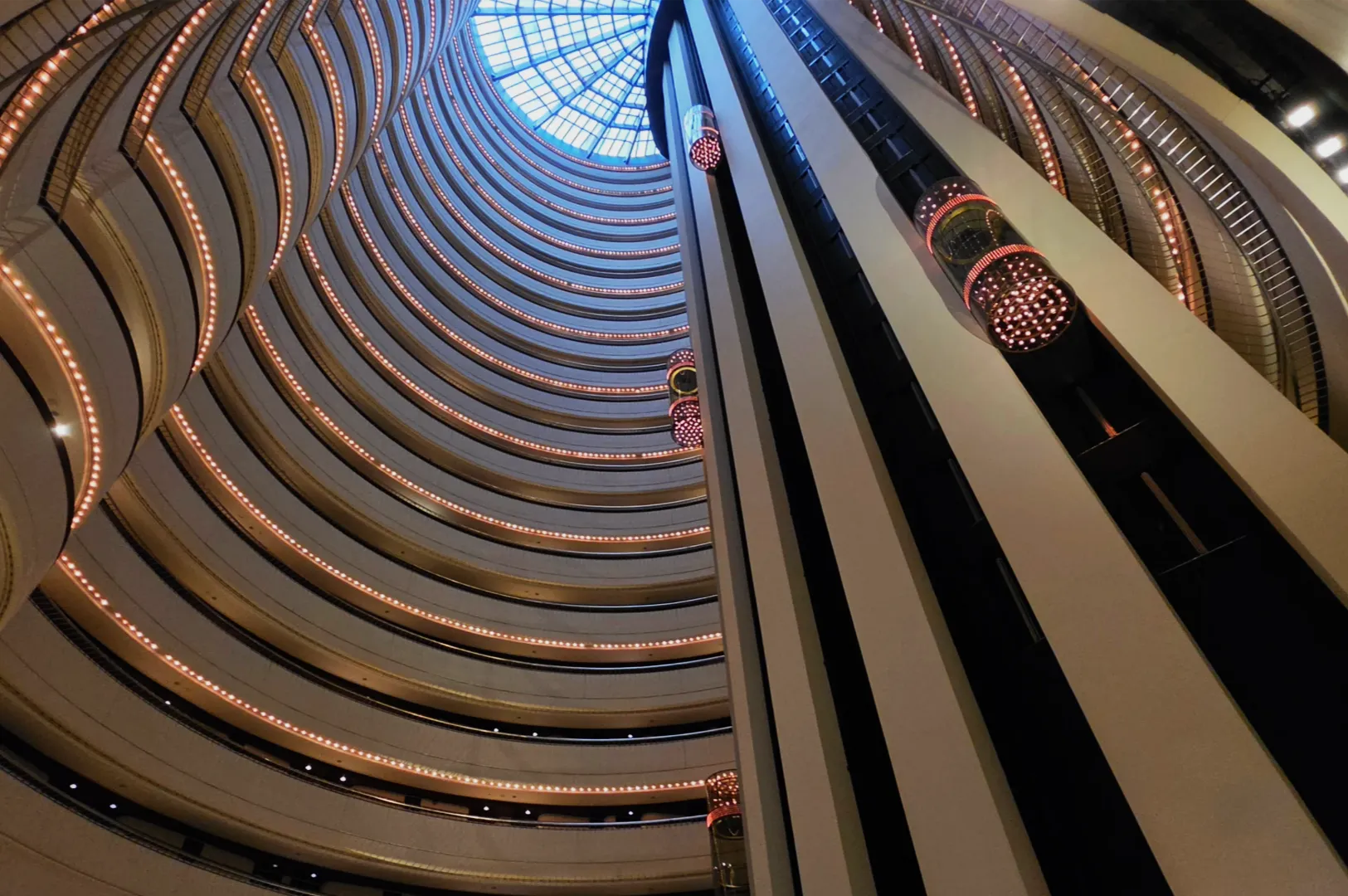
The first thing you notice is the atrium. It’s grand, sunlit, almost theatrical, the kind of space that makes you slow down even if your schedule is yelling at you to move. In the day, it’s impressive. At night, it becomes a mood: people drift through, conversations bounce, footsteps travel. You don’t so much “enter” this hotel as step into a big, open chamber of energy.
Check-in, at least for me, was smooth and professionally warm. The staff get the tone right, welcoming without dragging you into a performance. I arrived with that familiar transit fatigue (the kind where you’re simultaneously tired and wired), and they didn’t make me fight for efficiency. That alone counts as luxury.
Location-wise, it behaves. You’re close enough to Orchard to step out for a quick meeting, a coffee, or a shopping run without feeling stuck in the thick of it. But you’re not planted right on the most frantic stretch of traffic. For a short Singapore stop, that balance matters.
Then comes the trade-off: this atrium is the hotel’s signature. It’s also the hotel’s amplifier.
The Quiet Cost of a Grand Atrium

If you’re a light sleeper, treat your room allocation like a negotiation, not a formality.
The building is beautiful, but it’s built around a large open core. That means sound has a way of travelling, especially when the lobby is lively or when you’re placed closer to lift areas. On my stay, it wasn’t “nightclub loud,” but it was present enough that I noticed it in the way you notice a mosquito: not catastrophic, just persistent and irritating when your entire goal is to sleep.
This is the kind of hotel where your room request actually matters.
What I’d do next time (and what I recommend you ask for):
- A quiet room away from the atrium-facing side and away from the lift lobby.
- If you sleep early, say it plainly at check-in: “I’m a light sleeper and need a quiet room.”
- If you’re here during festive periods or weekends, assume the building will feel more “alive” and plan accordingly.
The hotel is trying to be both dramatic and restful. Sometimes it succeeds at both. Sometimes the architecture wins.
Rooms: Spacious, Comfortable, Not Trying to Be the Newest Thing

The room itself reads as polished heritage rather than “brand new flagship.” It’s comfortable, spacious enough to breathe, and laid out in a way that doesn’t force you to learn the room like a puzzle. For a transit stay, that’s a gift, you want to run on autopilot.
You can feel the building’s age in small places: the kind of tiny room details that don’t ruin anything, but remind you this isn’t a glass-and-chrome newcomer. Think less “wow, look at this tech,” more “this is a proper hotel room that knows how to do its job.”
If your idea of luxury is sleek minimalism and everything being the newest version of itself, you may notice the seams. If your definition is comfort, service, and a room that doesn’t demand attention, it holds up.
One recurring point travellers mention, and I agree, is that bathrooms can feel more compact than what some modern five-stars deliver. It’s perfectly functional, but it doesn’t give you that “spa-like exhale” feeling newer properties design for.
Wi-Fi and Work: The Detail You Only Notice When You Need It

I’m always suspicious of hotels that do spectacle well but wobble on boring basics.
The room setup is workable, but I wouldn’t call it aggressively business-optimised. It’s fine for emails, notes, and a late-night call. Where you may want to be slightly cautious is Wi-Fi consistency. It didn’t completely fail on me, but I had enough minor friction (login and stability moments) that I wouldn’t gamble on it for something high-stakes without a backup.
If you have a critical call, do what I do:
- Test the Wi-Fi early. Don’t wait until five minutes before the meeting.
- Keep a data hotspot ready if your work can’t tolerate disruptions.
- If you have lounge access, the lounge is often a calmer, more controlled place to work.
A hotel can look perfect and still lose you if it fumbles the boring basics. This is where the “few scratches” show.
Breakfast and the Lounge: The Heart of the Hotel

If there’s a place where Conrad Singapore Orchard wins people, it’s in how it hosts you.
Breakfast is generally strong, good range, good energy, and staff who try to keep the experience feeling looked-after rather than mass-produced. The food can be genuinely enjoyable, and the small touches matter. That said, breakfast experiences everywhere get affected by timing. The breakfast crowding issue reminded me of what I noted at Conrad Singapore Marina Bay: timing is everything if you want peace with your coffee. If you walk in during peak hour, you’re choosing crowds. That’s just physics.
The executive lounge is where the hotel feels most itself. It’s calmer, quieter, and the service is noticeably personal. This is also where you’ll understand why the staff get praised so often: they pay attention in a way that doesn’t feel performative. If you’re in transit and want a controlled environment, coffee, a snack, a quiet table to work, this is the part of the hotel that actually supports your rhythm.
Who This Hotel Works For (And Who Should Be Cautious)

This makes sense if:
- You care about service culture and want to feel hosted, not processed.
- You like classic, polished luxury and don’t need the room to prove it’s 2026.
- You want Orchard access without sleeping inside Orchard chaos.
- You have (or can get) lounge access and value calm more than spectacle.
Be cautious if:
- You’re a light sleeper and noise will derail your entire purpose here.
- You have high-stakes work calls and can’t tolerate Wi-Fi unpredictability.
- You want bathrooms that feel generously modern and spa-like.
Value Logic: What You’re Actually Paying For

The value proposition here isn’t “newest hotel in town.” It’s “a grand hotel with a strong team, in a location that behaves.”
If you expect a spotless, tech-forward, acoustically perfect modern flagship, you’ll notice the seams. If you expect a polished property where people still know how to host, and you handle your room request intelligently, you’ll likely leave satisfied.
Because true luxury on a transit stop isn’t marble. It isn’t branding. It’s being able to rest, work, and move on without the hotel becoming an extra problem you have to manage.
And this one, for all its scratches, still knows how to host.
J.C. Yue spends little time in Singapore and typically transits through the city on work travel. She reviews Singapore hotels for RERG based on real stays, focusing on what holds up in real life.

Leave a Reply