
Central Market KL is touristy. Let us not pretend otherwise.
There are souvenirs, tote bags, batik shirts, fridge magnets, and visitors staring at stalls with the seriousness of people making major life decisions. Some items are charming. Some items look like they have appeared in every tourist market across Southeast Asia wearing a different costume.
But touristy does not mean useless.
Central Market, also called Pasar Seni, was established in 1888 as a wet market. Back then, it was Pasar Besar, a practical market where traders, locals and vendors dealt in meat, fish, vegetables and daily supplies. Glamorous? No. Important to the economic development of Kuala Lumpur? Yes.
The current building is now a classified heritage site and cultural hub. It has survived decades, shifted from daily market to tourism centre, and now houses local handicrafts, batik, art, food, cultural performances and enough souvenirs to test your self-control.
So if you are wondering what to do in Central Market KL, here is the practical version. Not worshipful. Not dismissive. Just useful.
If you’re building a broader itinerary, our things to do in KL guide pairs well with this area and highlights other worthwhile stops across the city.
Central Market Kuala Lumpur: The Quick Guide
Thing To Do | Best For | What To Expect |
|---|---|---|
Explore The Main Central Market Building | First-time visitors, souvenir hunters, culture browsers | Local handicrafts, batik, craft shops, heritage zones |
Try DIY Batik Painting | Families, couples, casual creatives | Paint your own batik piece and bring it home |
Visit Central Market Annexe | Art lovers, local culture seekers | Art galleries, studios, exhibitions, local artists |
Walk Through Kasturi Walk | Snacks, souvenirs, street-market atmosphere | Open-air shopping, stalls, local street food |
Eat At Makan Hall | Hungry visitors, practical dining | Local cuisine from over 10 food stalls |
Explore Nearby Streets | People with extra time | Pasar Seni, Petaling Street, Lorong India, old KL walking routes |
#1 Explore Central Market For Local Handicrafts, Batik and Malaysian Culture

Begin your visit at the current building of Central Market KL, a classified heritage site with decades of history. Inside, the market is divided into cultural zones such as Lorong Melayu, Lorong India and Straits Chinese / Baba Nyonya-style areas. You will find shops selling local handicrafts, batik textiles, souvenirs, traditional wear, accessories, art and small gifts. Some items are genuinely interesting. Some are clearly mass-produced. This is still a tourist market, not a sacred temple of perfect taste. Use your eyes before using your wallet.
For batik, it is safer to say that Central Market has several batik and traditional-wear shops, rather than naming “Batik Emporium” as a current attraction. So yes, Central Market is still a practical place to browse batik, but visitors should compare designs, fabric quality and reasonable prices before buying.
The market works because it puts Malaysia’s Malay, Chinese, Indian and Straits Chinese influences into one accessible, air-conditioned space. It is commercial, yes. But it still gives tourists and locals alike a quick way to explore handicrafts, batik, souvenirs and heritage without turning the day into a full museum expedition.
#2 Visit Central Market For DIY Batik Painting

If browsing shops starts to make your eyes glaze over, try DIY batik painting at Ainna Artwork.
This is one of the better things to do in Central Market because it lets you stop consuming culture for five minutes and actually do something with your hands. You choose a batik design, paint within the wax outlines and take the piece home. Simple. Beginner-friendly. Much better than buying another keychain because panic took over.
No, you probably will not discover your hidden genius in batik. Let us be realistic. But you will understand very quickly that the craft takes more control than it looks. Painting inside the lines while trying not to ruin the colours is humbling in a useful way.
DIY batik painting works well for families, couples, children and visitors interested in craft without committing to a full workshop. It also connects naturally to the rest of the market. You browse batik, then try making one yourself, then quietly respect the people who do it properly.
This is the sort of travel activity that every website and travel post likes to call “immersive”. Annoying word, but here it sort of fits. You slow down, make something, and leave with a souvenir that is at least partly your fault.
#3 Central Market Annexe For Local Artists, Art and Quieter Browsing

The Central Market Annexe is where the place becomes less souvenir-hungry.
Located behind the main building, the Central Market Annexe features art galleries and studios showcasing contemporary works by local artists. It reminds you that Central Market Kuala Lumpur is not only about buying things with “Malaysia” printed on them. At its best, it also supports art, culture, heritage and actual creative work.
Do not expect a huge museum. This is not the Louvre with humidity. The Annexe Gallery is more casual: small galleries, rotating exhibitions, studios and creative corners where visitors can explore local art at a slower pace.
The Art Lane is worth checking if you like paintings, portraits, batik, illustrations or contemporary pieces. Some works will catch your eye. Some will not. That is art. It does not need to please everyone in the room.
The Annexe is especially useful after the main market floor. If the souvenir stalls are starting to blur into one long line of magnets and scarves, this gives the visit a different texture. Less buying. More looking. A nice change before your tote bag becomes a problem.
#4 Kasturi Walk For Open-Air Shopping, Snacks and Street-Market Energy

Kasturi Walk sits next to Central Market, and it works best as a side quest.
This covered open-air walkway features stalls selling snacks, accessories, souvenirs, drinks and small gifts. It is not where you go for deep cultural enlightenment. It is where you go when you want to walk, snack, browse and pretend you are not already tired.
The mood here is looser than inside the main market. Less heritage-house atmosphere, more casual street-market energy. The cover helps because Kuala Lumpur weather enjoys ambushing people. Hot sun? Sudden rain? Both possible. KL likes variety.
Kasturi Walk is useful for quick bites and local street food, but do not approach it like a serious dining destination. If a stall looks busy and the food looks freshly prepared, that is usually a better bet than anything sitting around looking abandoned.
It is tourist-friendly, yes. But sometimes that is fine. Not every part of a trip needs to change your life. Some parts just need to serve snacks and keep the journey moving.
#5 Eat Local Cuisine At Makan Hall Before You Become A Bad Person

Hunger ruins cultural curiosity. Nobody appreciates heritage properly when their blood sugar is collapsing.
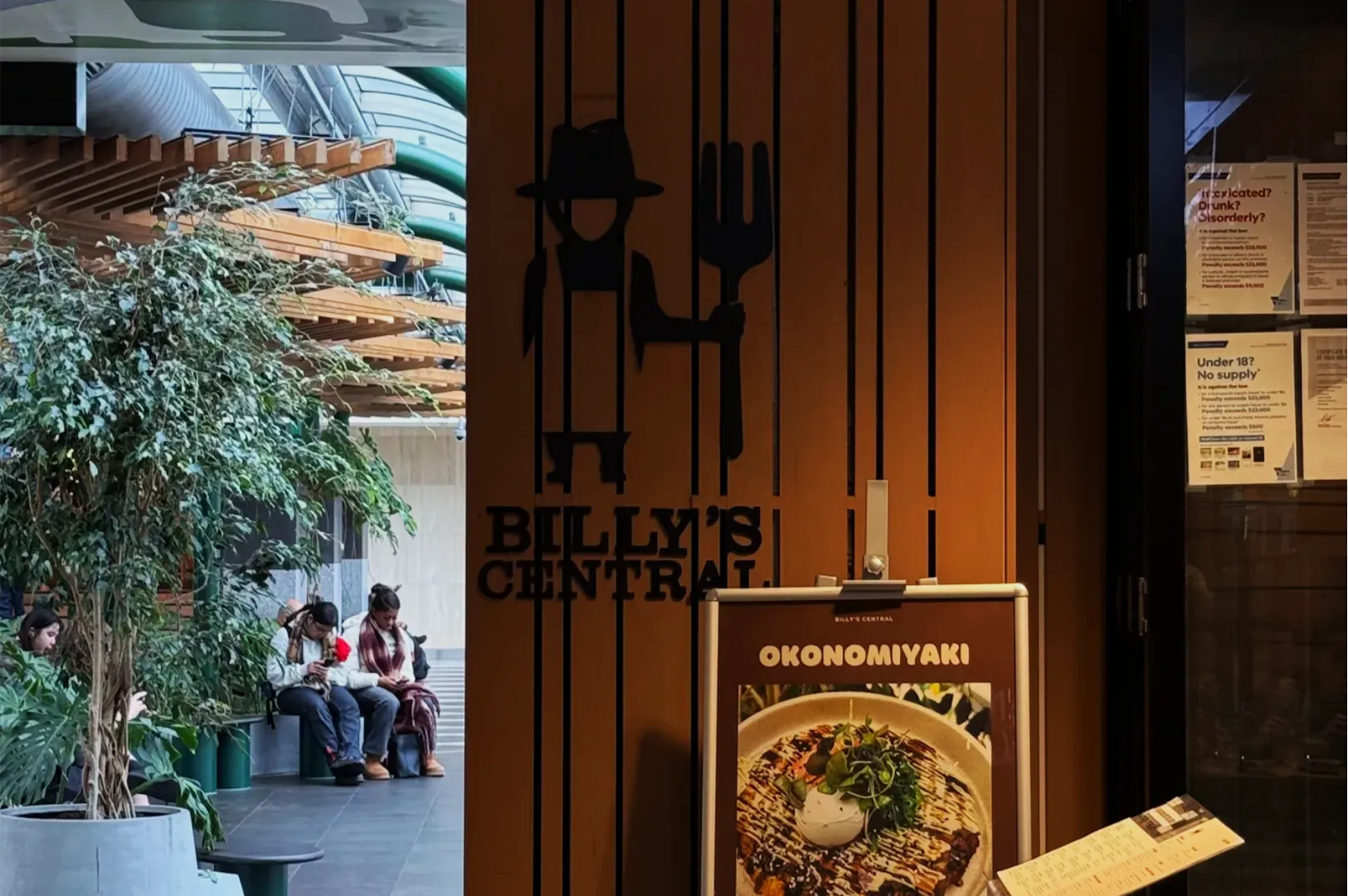
That is where Makan Hall at Central Market comes in. Located within the Pasar Besar section, Makan Hall offers over 10 food stalls serving Malaysian dishes and local cuisine. It is practical, central and useful when your shopping trip starts turning into silent resentment.
Do not mistake this for the ultimate KL food hunt. Kuala Lumpur has deeper, messier and better food adventures if you are willing to chase them. But as a convenient dining stop inside Central Market KL, Makan Hall does its job.
The appeal is variety. Rice, noodles, snacks, grilled items, local comfort food, maybe something sweet after. It works well for groups because everyone can split up and choose what they want instead of negotiating one restaurant like a family peace treaty.
This is also where the market becomes more than shopping. You browse handicrafts, look at batik, maybe paint something badly, then sit down and eat. It gives the visit another layer.
Fine dining? No. Useful food stop? Yes. Sometimes useful is exactly what you need.
#6 What To Do Near Central Market KL After You Are Done Buying Batik

After exploring Central Market, a cultural hub established as a heritage site, venture into the vibrant old KL streets just outside. The nearby Pasar Seni area is easily accessible by public transport and serves as a gateway to Chinatown, Petaling Street, Lorong India, and Lorong Melayu, where you can experience an array of Malaysian heritage through local textiles, festive goods, and traditional shops.
These surrounding streets offer a lively mix of food stalls, small businesses, temples, and cultural performances, providing a contrast to the more polished Central Market building. Whether you’re interested in souvenirs, local crafts, or authentic cultural experiences, this area adds depth to your visit and complements the heritage house feel of Central Market.
If you’re staying nearby in hotels around Chinatown or the city center, this old city zone is perfect for a half-day exploration. Just remember to pace yourself and enjoy the diverse cultural atmosphere without rushing, as the KL heat can be intense while you soak in the rich Malaysian heritage society vibe.
Practical Tips Before You Visit Central Market KL

- Central Market offers free admission and is open daily from 10:00 AM to 10:00 PM, making it easy to include in your Kuala Lumpur itinerary.
- Located near Jalan Hang Kasturi, Pasar Seni is easily accessible by public transport and close to Chinatown, Petaling Street, and other landmarks.
- Explore beyond the entrance by checking out the first and second floors. The market is divided into zones and sections worth discovering.
- Bring small cash, though many vendors accept cards or e-wallets. Prices vary, so compare before buying souvenirs, bags, batik, or handicrafts.
- Remember, Central Market is a heritage site and cultural hub, not a luxury mall. It blends commercial areas with charming spots and caters mainly to visitors.
So, Is Central Market KL Worth Visiting?

Yes, if you understand what it is.
Central Market KL is not perfect. Some parts are touristy because, frankly, they are. But it is still one of the easiest places in Kuala Lumpur to browse local handicrafts, see batik, try DIY batik painting, visit Central Market Annexe, catch local artists, eat local cuisine, walk through Kasturi Walk and step into a building with actual history.
It began as a wet market in 1888. It became Pasar Besar. It survived decades, heritage debates and modern tourism. Today, it remains one of the most accessible cultural stops in the city.
Visit Central Market for a short cultural stop, not a sacred pilgrimage. Go in with realistic expectations and it does its job.
Just do not buy the first souvenir you see.
That is how the market wins.

Leave a Reply