
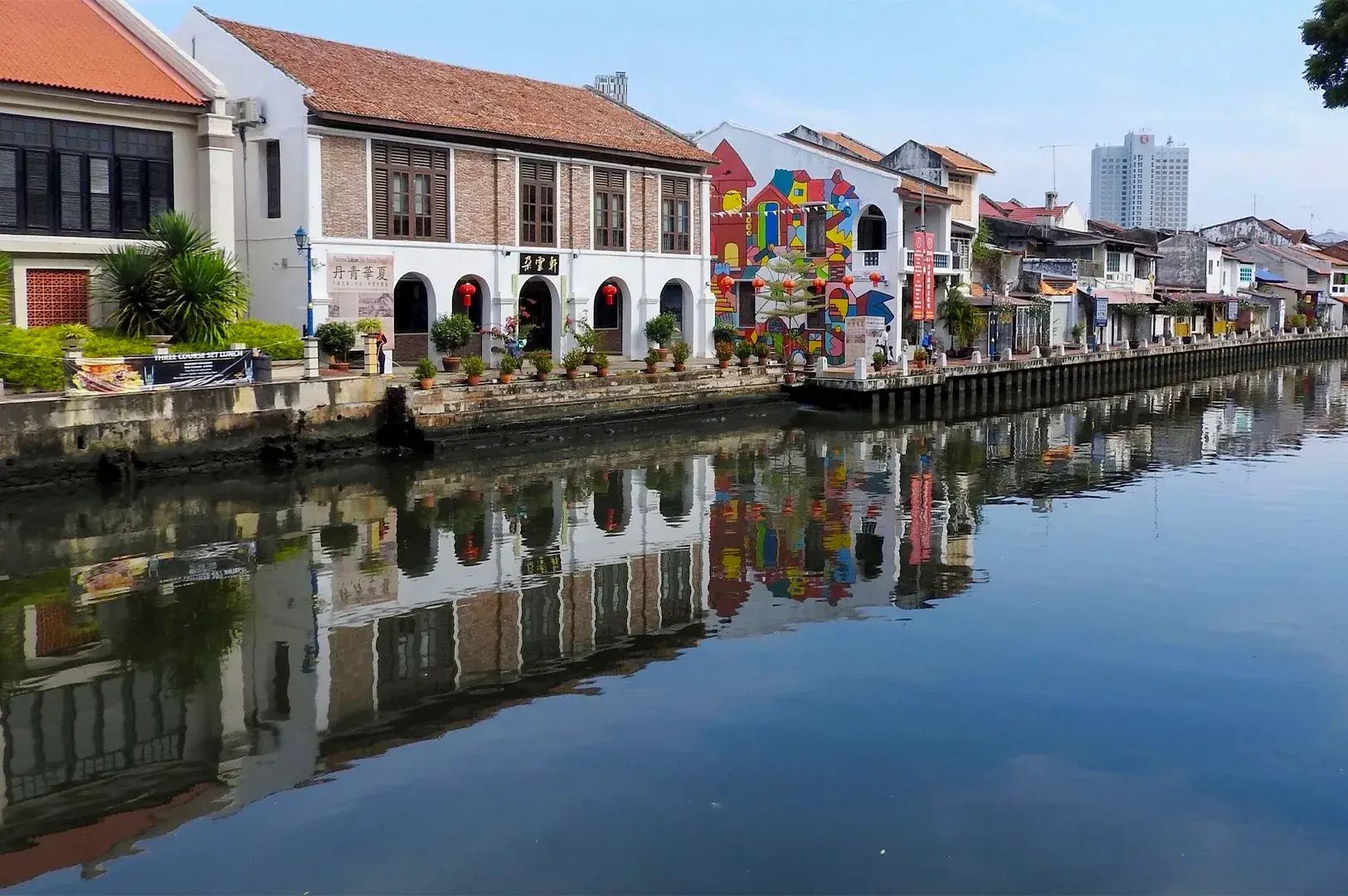
Malacca has a remarkable ability to convince visitors that sightseeing means walking through historic streets, photographing red buildings and finding another place selling chicken rice balls. We enjoy all of that. But eventually, even the most enthusiastic heritage lover needs something that doesn’t involve reading another plaque about the Portuguese.
That is where Ayer Keroh comes in.
About 15 to 20 minutes by car from Malacca City, Ayer Keroh is the greener, considerably less colonial side of Melaka. Here, the attractions involve actual animals rather than stone lions, traditional houses representing different Malaysian states, a water park and, rather unexpectedly, an entire museum devoted to bees.
For families looking for things to do in Ayer Keroh, there is enough here to occupy an entire day. Possibly two, depending on how much enthusiasm your children have for reptiles.
The area is also relatively convenient to explore by car, with several attractions clustered around the North-South Expressway’s Ayer Keroh exit. That does not mean everything is within walking distance. This is one part of Malaysia where having a car or booking a Grab is considerably more practical than attempting an ambitious walking tour.
If you are visiting Malacca for the first time, we would still recommend starting with our guide to things to do in Melaka. But if you have already seen the major landmarks, here are five Ayer Keroh attractions worth leaving the historic centre for.
Zoo Melaka: Where the Wildlife Gets More Attention Than the Tourists

Zoo Melaka is one of those attractions that sounds straightforward until you realise how much walking is involved. Located within a large wooded area, it is widely described as Malaysia’s second largest zoo after Zoo Negara. The zoo opened to the public in 1987, although its history stretches back further, and today it houses hundreds of animals across different species of mammals, birds and reptiles. The grounds are spread through a tropical landscape rather than squeezed into an indoor attraction, with shaded trails connecting different enclosures. A zoo sounds like a relaxing family outing until somebody realises the elephants are on the other side of the park and nobody remembered to bring water.
The animal collection is the main reason to visit. Malayan tigers are among the highlights, alongside Asian elephants, giraffes, orangutans, chimpanzees and Malayan tapirs. The tiger exhibits are particularly relevant because the Malayan tiger is critically endangered, and Zoo Melaka participates in conservation breeding efforts. There are also birds, including macaws and other colourful species, and a reptile collection featuring snakes and lizards. The interesting part of a visit is observing how different animals behave in their enclosures rather than treating the zoo as a checklist of species. Some animals will be active; others may decide that sleeping through the afternoon is a perfectly reasonable lifestyle choice. Frankly, we cannot disagree.
Beyond walking around looking at wildlife, visitors can explore the zoo’s various trails, use the tram service and check for scheduled feeding activities. The tram is worth considering for families with young children or anyone who does not fancy covering the entire area on foot. Selected feeding experiences may cost extra. Zoo Melaka has also offered special night-viewing programmes, including its Bila Larut Malam sessions, but these are not guaranteed every weekend. Check the programme calendar before promising your children a night safari. Food outlets and basic visitor facilities are available, although we would still bring drinking water, especially on hotter days.
The main drawback is that this is an outdoor attraction in Malaysia. Even with trees providing some shade, the afternoon heat can be exhausting, and rain can interfere with outdoor activities. We would recommend Zoo Melaka to families who genuinely want to spend time observing animals, not those expecting every enclosure to provide immediate entertainment. The zoo offers a substantial wildlife experience, but getting the most out of it requires time, patience and shoes you can actually walk in.
Zoo Melaka
Address: Jalan Hang Tuah, 75450 Ayer Keroh, Melaka, Malaysia
Opening Hours: Monday–Friday, 10am–5pm; weekends and public holidays, 9am–6pm. Ticket counters close one hour earlier.
Melaka Butterfly & Reptile Sanctuary: Butterflies, Snakes and Other Creatures That Don’t Need Our Approval

Not everybody wants to spend several hours walking around a large zoo. The Melaka Butterfly & Reptile Sanctuary, located near the Ayer Keroh Toll Plaza and 15 kilometers from Malacca City, offers a more focused wildlife experience. Opened in 1991, the sanctuary combines a butterfly garden, reptile exhibits, ponds and landscaped greenery. It is an interesting contrast to Zoo Melaka because much of the attraction involves smaller creatures, some of which are surprisingly easy to miss if you rush. The Butterfly Garden is a good place to start, with tropical plants creating a natural habitat for different butterfly species. Visitors can watch butterflies moving between leaves and flowers, although the butterflies have absolutely no obligation to land on your hand simply because you paid admission.
Then come the reptiles, which are arguably the more memorable residents. The sanctuary houses snakes, lizards, tortoises and crocodilians, alongside birds, insects and other wildlife. Its reptile displays have included large pythons, boas and anacondas, giving visitors the chance to observe creatures most people would understandably prefer not to encounter in the wild. The attraction has historically been divided into sections known as the Butterfly Garden, Reptile Aviary, Koi River Valley, Wild Photo Lane and Nature’s Art Centre, although visitors should not assume every older exhibit name or activity remains unchanged. Supervised animal encounters and feeding experiences may also be available, depending on the day’s schedule. Not every educational encounter needs to involve touching something with scales.
Koi River Valley provides a gentler change of scenery, with colourful fish moving through landscaped ponds surrounded by greenery. It is one of the more peaceful parts of the sanctuary, particularly after spending time around the larger reptiles. The ponds and gardens give visitors a reason to slow down and observe their surroundings instead of constantly looking for the next enclosure. For children, the experience can be surprisingly educational. Butterflies demonstrate how insects develop and interact with plants, while the reptiles introduce a completely different branch of the animal world. Amphibians are another group worth learning to distinguish from reptiles, even though we would not promise that particular amphibian species will be on display during every visit.
This is a better attraction for visitors interested in close-up wildlife than those who simply want to see the largest possible animals. The grounds are green and pleasant, but some pathways involve slopes, steps and uneven surfaces, so families with strollers should plan accordingly. Feeding activities may involve additional charges, and the number of animals visible can vary. The sanctuary rewards patience more than speed. If you race through every enclosure looking for something dramatic, you may miss the smaller creatures that give the place its character.
Melaka Butterfly & Reptile Sanctuary
Address: Next to Ayer Keroh Toll Plaza, 75450 Ayer Keroh, Melaka, Malaysia
Opening Hours: Daily, 9am–5.30pm. Last admission at 4.30pm.
Malaysia Heritage Studios: The Former Mini Malaysia and ASEAN Cultural Park Gets a Makeover

Mini Malaysia sounded like somebody had built the entire country in a conveniently manageable size for tourists. In a way, that was the attraction. The former Mini Malaysia and ASEAN Cultural Park has since been transformed into Malaysia Heritage Studios, a cultural park featuring 13 traditional houses representing Malaysia’s states. The houses showcase regional architecture, but the newer experience goes beyond displaying wooden buildings. Interactive exhibitions, themed installations and cultural performances have been introduced to make the country’s heritage more engaging, especially for younger visitors. It is less a conventional history museum and more a cultural theme park with a theatrical streak.
The traditional houses are the main attraction, and each has its own identity. Rumah Perak, for example, is dedicated to music, introducing visitors to traditional instruments and the cultural roles they play. Rumah Negeri Sembilan focuses on wood crafts, while Rumah Melaka explores the golden age of the Melaka Sultanate through visual storytelling and displays. Rumah Johor celebrates Malaysian festivities, including traditional weddings and multicultural celebrations. The Kedah house takes a more atmospheric approach, using illuminated paddy-field imagery and nature sounds to evoke the state’s association with rice cultivation. This is considerably more engaging than walking past thirteen houses and being expected to appreciate every roof simply because the architecture is historically important.
The experience continues beyond the houses. Malaysia Heritage Studios also hosts cultural performances and interactive activities involving traditional games, folklore and local crafts. Its Immortal Maze introduces mythical creatures and characters from Malaysian legends, including stories associated with Naga Tasik Chini. There are opportunities to learn about traditional games such as congkak and batu seremban, while selected programmes introduce visitors to performance arts and Malaysian cultural practices. This is where the attraction becomes particularly suitable for families. Children can enjoy the visual displays and activities, while adults get some cultural context beyond the usual dates and historical figures.
There is, however, a distinction worth making. Malaysia Heritage Studios is not an untouched historical village. The buildings represent traditional architectural styles, while many of the interior experiences deliberately incorporate technology, lighting and theatrical displays. Visitors looking for original centuries-old houses and academic museum collections may find the presentation too entertainment-focused. We would approach it as a cultural experience rather than a rigorous historical archive. On those terms, it offers something genuinely different from the museums in central Malacca.
Malaysia Heritage Studios
Address: Exit Lebuh Ayer Keroh, 75450 Ayer Keroh, Melaka, Malaysia
Opening Hours: Daily, 10am–6pm. Last admission at 5pm.
Melaka Wonderland Theme Park & Resort: When the Family Has Had Enough Education

There comes a point during a family holiday when somebody announces that they have learned enough for one day and would now prefer to be thrown down a waterslide. Melaka Wonderland Theme Park & Resort exists for precisely this situation. Located within Ayer Keroh’s green recreational area, the water park offers slides, a wave pool, children’s play areas and lakeside activities. Unlike Zoo Melaka or Malaysia Heritage Studios, nobody is pretending this outing needs a profound educational objective. Sometimes the plan is simply to get wet, enjoy the water and spend several hours doing something that does not involve another museum.
The more adventurous attractions include Tornado Chaser, which sends riders around a giant bowl before dropping them through a darker enclosed section into a landing pool. Kamikaze Racer is a six-lane racing slide where riders descend headfirst on mats, while Adventure Island offers smaller slides and water-play features suited to younger visitors. The 1 Big Wave pool provides a less demanding alternative, with artificial waves and space for families to enjoy the water together. Water parks have an efficient way of dividing people into two groups: those who willingly climb several flights of stairs to slide down again, and those who would rather supervise from somewhere dry.
There are also activities around the recreation lake, including pedal boats, tube rides, fish feeding and rabbit feeding. These offer a break from the water slides, particularly for visitors who prefer something slower. However, not every activity is included in the main admission ticket. Pedal boats, animal feeding and other optional experiences can come at an additional cost, so it is worth checking what your ticket actually covers. The park is surrounded by forest greenery, but it remains a developed water attraction rather than a natural swimming area. Basic food and visitor facilities are available, although a full day here still requires proper planning, towels and suitable swimwear.
The main caution is maintenance. Individual rides may be closed temporarily for operational or safety reasons. If one particular slide is the whole reason your children want to come, confirm that it is operating before buying tickets. Wonderland is best for families who want an active afternoon rather than another sightseeing stop, provided they arrive with realistic expectations about the facilities.
Melaka Wonderland Theme Park & Resort
Address: Lot PT 17178, Lebuh Ayer Keroh, Hang Tuah Jaya, 75450 Ayer Keroh, Melaka, Malaysia
Opening Hours: Tuesday–Sunday, 10am–6pm. Closed Monday except selected school and public holidays.
Malacca Bee Gallery: The World’s Bees Museum Is an Unexpectedly Interesting Detour

A museum devoted entirely to bees sounds like somebody was running out of ideas for tourist attractions. Then again, bees do considerably more useful work for the planet than most of us accomplish before lunch. The Malacca Bee Gallery, also known as the World’s Bees Museum, is a smaller attraction near Melaka Botanical Garden. It introduces visitors to beekeeping, honey production and the surprisingly complicated world of bees. Unlike the larger wildlife parks, this is a compact educational stop rather than a destination requiring several hours of walking. We would consider it a useful addition to a day in Ayer Keroh, particularly if the family has developed an interest in insects beyond wanting them removed from the hotel room.
The gallery’s displays include different types of beehives, honeycomb structures, hornet nests and traditional tools used to collect honey. Visitors can learn how bees organise their colonies, why their habitats matter and how beekeeping contributes to agriculture. Some exhibitions also explore the differences between bees and other insects, including hornets. The exhibits make an interesting point about nature: we tend to notice large mammals and dramatic reptiles, but much of the work keeping ecosystems functioning is carried out by creatures that fit comfortably on a fingertip.
Honey sampling is another attraction, allowing visitors to compare different varieties and understand how honey can vary in colour, texture and flavour. The gallery also has a retail component selling honey and bee-related products. We have no objection to buying honey, but we would visit primarily to learn about bees, not because we urgently need somebody to explain why we should purchase six jars of it.
The main limitation is its size. This is not a large wildlife sanctuary, and anyone expecting hundreds of live bees performing elaborate demonstrations may be disappointed. Allow roughly half an hour to an hour, depending on how closely you examine the displays and whether demonstrations are available. As unusual Ayer Keroh attractions go, a bee museum is certainly more memorable than another generic souvenir shop. Just do not build an entire afternoon around it.
Malacca Bee Gallery / World’s Bees Museum
Address: Galeri Lebah Melaka, Jalan Taman Botanikal, 75450 Ayer Keroh, Melaka, Malaysia
Opening Hours: Daily, 9am–5.30pm.
Other Ayer Keroh Attractions Worth Knowing

If five attractions still aren’t enough, Ayer Keroh has a few more options worth keeping on the map.
Malacca Botanical Garden is the obvious choice for visitors who would rather enjoy the forest without paying for an animal encounter. The garden spans 92.5 hectares of green area with walking trails, recreational spaces and quieter sections where nature does most of the entertaining. It is a good alternative when you want a peaceful break rather than another ticketed attraction.
Melaka Crocodile & Recreational Park offers a different wildlife experience, with more than 100 crocodiles from several species, along with other animal exhibits and recreational facilities. It is worth noting that this refers to individual crocodiles, not 100 different crocodile species. The park is another option for families whose children apparently have an unlimited appetite for reptiles.
For something more cultural, the Orang Asli Museum, also known as the Museum of Aborigines, introduces the heritage of Malaysia’s Indigenous communities through traditional tools, hunting equipment, household objects and cultural displays.
Is Ayer Keroh Worth the Detour From Malacca City?

Yes, especially if this is not your first trip to Melaka.
For more offbeat stops beyond Ayer Keroh, our guide to more unusual things to do in Melaka covers everything from old printing presses to less familiar heritage sites and adventure activities.
Ayer Keroh will not give you the same experience as Jonker Street, and that is precisely why we would consider visiting.
Not every Malacca trip needs another red building, another souvenir shop or another photograph beside the same historic wall. Sometimes spending an afternoon with butterflies, snakes, traditional houses and a museum devoted to bees is a perfectly good change of scenery.
And at least the bees are actually doing some work.

Leave a Reply